
Feeling Fine? Here’s Why You Shouldn’t Stop Your Blood Pressure Medications

I get it; we all do not like to take drugs.
A lady I met at the clinic a while back swore she would much rather get injections than swallow any tablets. “I don’t like the way they taste.”
But if you grew up in an African household with African parents, you probably didn’t like the taste of vegetables, but you had to eat them anyway— because they are healthy.
Drugs are the same way; they might not taste great, but when taken right, they could work wonders for your health.
So if you have a parent or relative—or you are on medications for blood pressure yourself, this post is for you.
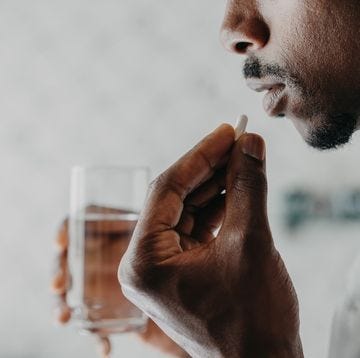
It can be quite challenging, remembering to take your medications every day, and even a bit discouraging. Perhaps you look at the pills day after day and wonder when you would ever stop taking them.
A common question people ask is, “If I’m feeling okay, do I still need to keep taking my BP drugs?”
The short-form answer is yes. And I’ll explain.
Everyone Has a Blood Pressure
Have you ever heard someone say something like, “God forbid, BP is not my portion”?
The thing is, everyone has a BP (blood pressure). If you didn’t, all the blood in your body would pool in your heart, with no way to get around to the different parts of your body that need it.
Think of your body like a car. Every car requires some sort of fuel to move around (this could be PMS, CNG, or even electric current).
For your body, that fuel is the blood. Your blood transports oxygen, nutrients and hormones around the body to the tissues and organs that need it. Without this supply of oxygen, your body tissues would die off one after the other.
So, how does our body get blood to move around?
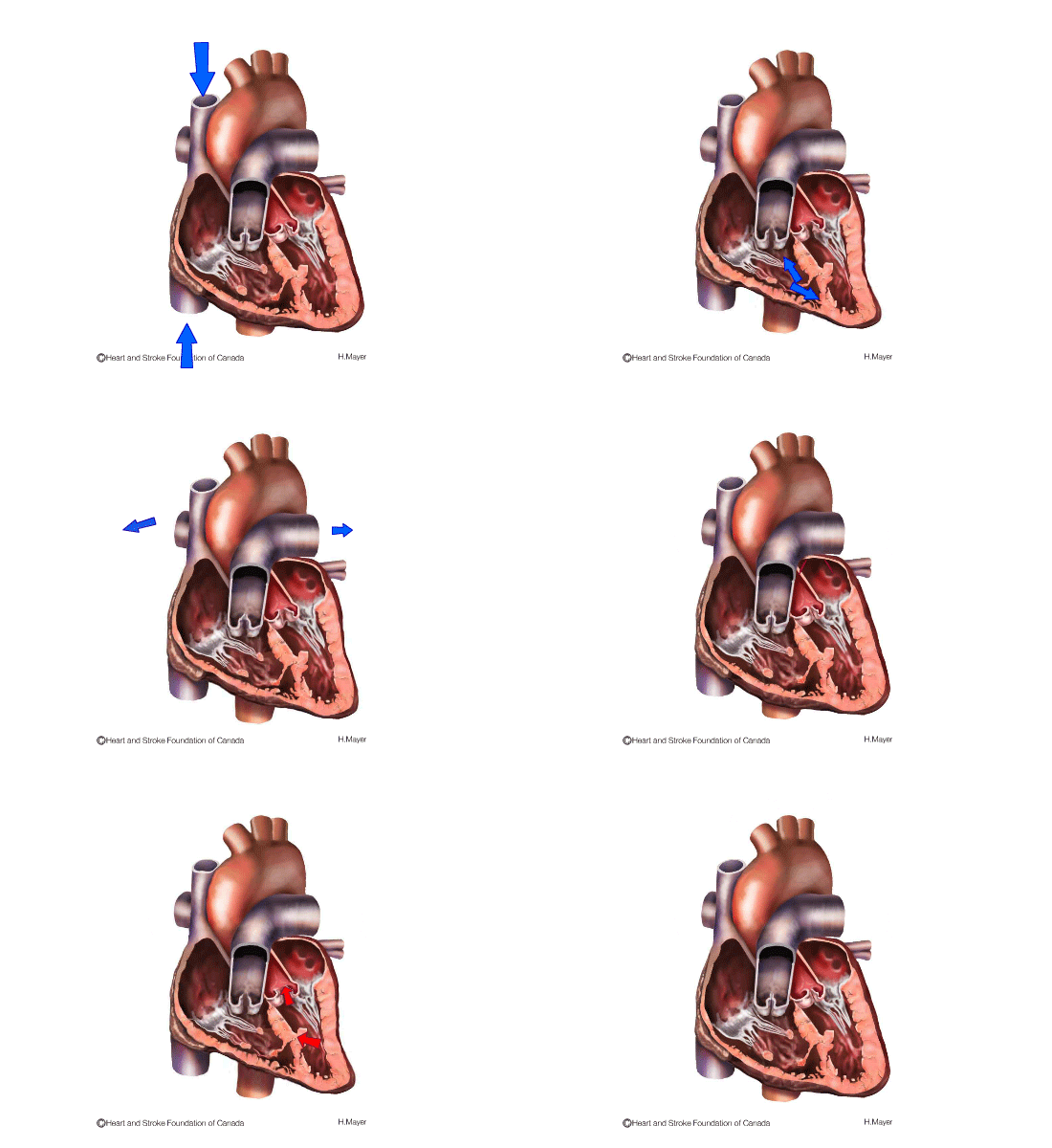
For blood to move around your body from the heart, it requires a certain amount of pressure. You know how you might be pumping water from the borehole in your compound, and they say something like, “The pressure is too low, so the water can’t flow upstairs”?
It’s the same with the body. There is a certain level of pressure that is needed to drive water from the borehole, up through the pipes to flow through and supply every room in your house. In the same way, a certain level of blood pressure is required for your blood to flow around the body.
So yes, we all have BP (blood pressure).
When Things Get Out of Hand: What a High Blood Pressure Really Means
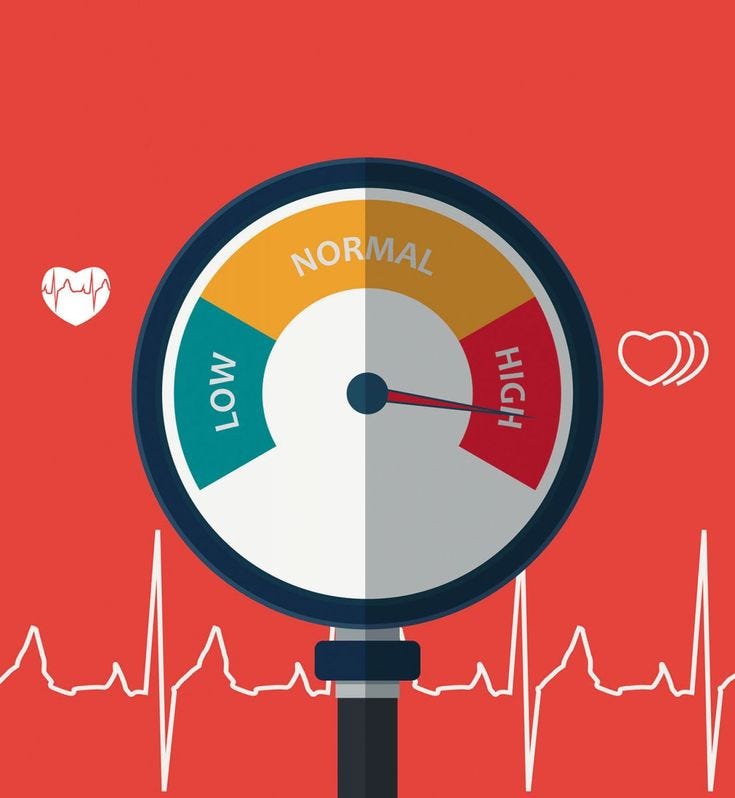
Just like the pressure might be too low, and water doesn’t get pumped to the first floor of the house, it could also be too high, causing damage to the pipes and the appliances in the house.
In the same way, when the blood pressure is too high, it could lead to damage to the blood vessels (the “pipes” that carry blood around the body) and organs like the brain, kidneys, and more (the “appliances”)
This is what is referred to as a high blood pressure (HBP).
Simply put, when your blood pressure readings are consistently at or above 130/80mmHg1, it is time to see your doctor.
AntiHypertensives to the Rescue
Antihypertensives (from anti- ‘against’ and hypertension- ‘high pressure’) are drugs used to manage high blood pressure.
Your doctor would usually recommend lifestyle changes, in addition to your medications, to help control your blood pressure. These include:
Reducing salt intake
Exercising regularly
Eating healthy (more natural, less processed foods)
Maintaining a healthy weight
Quitting alcohol and tobacco intake, etc.
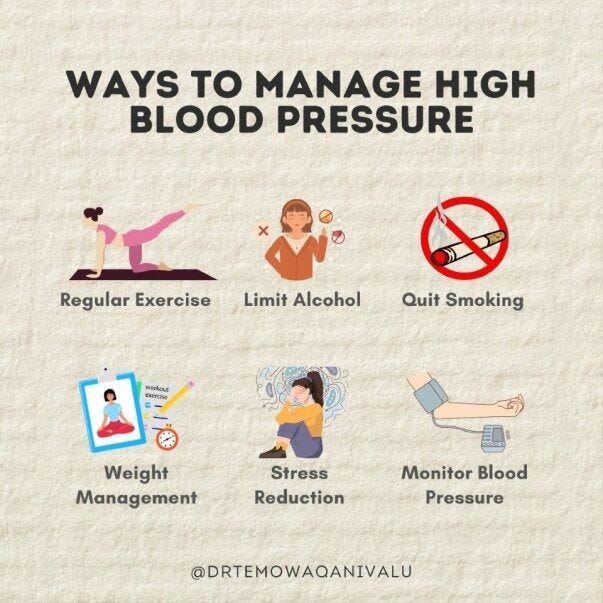
In addition to these measures, you might also be prescribed antihypertensives if your blood pressure is still not controlled.
Different kinds of antihypertensives have different ways they work, but the end goal is the same: to reduce the high pressure of blood as it flows through your blood vessels and prevent damage to the vessels and organs of your body.
What Happens When You Stop Taking Your Drugs
Imagine you live in an area that usually gets flooded during the rainy season. You are standing behind your door, and outside the yard, the water has risen to knee level. From your window, you can see your neighbour out on the street wading through the water to get into the compound.
You have been keeping your door shut and barricaded against the flood, but you are slowly getting tired, and you want to open it a bit to let in some fresh air. So you move the barricade away, and in rushes a flood of water, surging through the parlour, wetting the carpets, and seeping into your new Home Theatre system.
You quickly rush to shut the door, but the force of the water prevents you. You struggle for a couple of seconds, but you finally manage to shut the door again.
You look around you; the immediate danger is past, but the carpets are soaked, and your appliances are probably already ruined.
Now imagine that the door keeping out the flood is your antihypertensive medication.
When you take your drugs as you should, it helps keep your blood pressure under control. It doesn’t magically make it go away, but it controls it so that it does not damage your blood vessels and organs. If you decide after a couple of weeks or a month that you are tired of barricading the door and you need a little break from taking your drugs, you would be allowing the high blood pressure to bounce back, and giving it a chance to do more damage.
But What If I Only Take It When I Feel Somehow?
The fact that you feel "somehow" is already a warning sign that damage has been done; that the flood is getting in and ruining your house. Naturally, you do not feel the pressure of your blood as it is being pumped around your body, but it is happening. In the same way, you would likely not "feel" high blood pressure. You may only notice some signs after damage has occurred: when your vision becomes blurry, or an arm feels too heavy to lift, or your feet start swelling.
High blood pressure is often silent, but the damage is not.
That is why it is essential to check your blood pressure regularly, even if you do not have "BP”.
Except your doctor specifically tells you otherwise, keep taking your blood pressure medications as long as your doctor recommends.
Some Helpful Tips
Maintaining a habit might be challenging, especially if it’s not something you particularly love to do. But it can be helpful if you remind yourself every time you take your drugs that you are “keeping the flood out” of your house.
Other helpful tips include:
Make it a routine. Choose a particular time of day to take your medication, and tie a habit to it. Example: I will take my drugs after I have breakfast/go for a walk. It can be helpful to set an alarm to remind you of this.
Have an accountability partner. Get your spouse or caregiver to help you stay accountable. Have them keep tabs on you, asking, “Have you taken your drugs today?” This helps give you an external push when you feel unmotivated.
Know the name(s) of your blood pressure medications. Have them handy and keep an extra supply at home so that you never have to skip a day.
Monitor your blood pressure regularly and keep a journal. It is important to monitor your blood pressure over time. Keep a notebook where you record the values, and carry it along for your next doctor’s appointment. This helps your doctor know how well your blood pressure is being controlled.
Checking in the morning, before the stress of the day, usually gives a more accurate picture of your blood pressure control.
Keep up with your doctor appointments. Your doctor will schedule regular appointments with you to review and discuss your treatment plan or any concerns you might have. Be sure to keep up with them.
Blood pressure control is not a one-time affair. It’s a long-term journey that requires patience, motivation/willingness to make healthy choices, and support from family and loved ones. If you know someone on antihypertensives, encourage them to keep up with their treatment plan and support them on their journey.
Key Points to Remember
Everyone has blood pressure.
A high blood pressure is when your blood pressure is consistently at or above 130/80mmHg
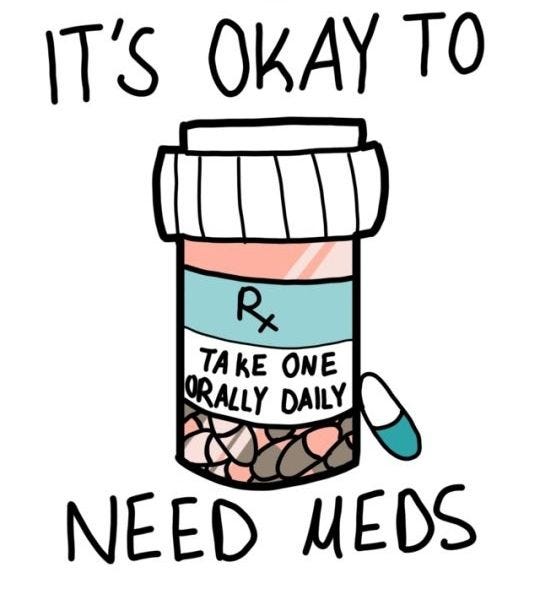
Unless specifically advised by your doctor, do not stop your blood pressure medications, even if you feel fine.
Check regularly, and record your values.
Know the names of your medications or the ones your loved one is on, and stock up on them.
It is helpful if you take the drugs at the same time, every day.
HBP may be a symptom of an underlying issue, your doctor would usually evaluate you thoroughly to find out if this is the case.
If you have a family history of high blood pressure, there is a chance that you might develop it down the line. But if you stay healthy: eat healthy, exercise, maintain a healthy weight, avoid alcohol and tobacco, etc, these practices greatly reduce your risk.
Go for checks regularly with your heart doctor.
.
💡If you found this helpful, share this post with someone who needs to resume taking their antihypertensives today.
Centers for Disease Control and Prevention. (2023, May 15). High blood pressure: About. U.S. Department of Health & Human Services. https://www.cdc.gov/high-blood-pressure/about/index.html